Showing posts with label Garden Department. Show all posts

Monday, November 6, 2017

Garden department bought more plants

This morning, our teacher brought some plants to school. The garden department made a decision to buy some of the plants that came in. We got our money out and were able to buy some plants for the garden. We are really happy because now we can propagate some of the plants and sell them to the students in the Horticulture to make more money.  We invested $43.67.  These are the plants we were able to buy :


  • 2 Hoyas carnosa with red spots each for 3.75
  • Echeveria cetosa 4.99
  • Cotyledon  orbiculata lady smith 4.99
  • 2 Tradescantia Moses in a cradle each for 3.95
  • Geranium Greengold Kleiner Liebling 2.75
  • Nepthytis 1.25
  • Tradescantia with pink stripe 4.99
  • Echeveria  NOID 5.98
We plan to make a lot of money when we grow our new plants. We picked these plants because they will be easy to propagate and easy for people to grow on their own.


Plants that we bought

Sunday, October 15, 2017

Hard work

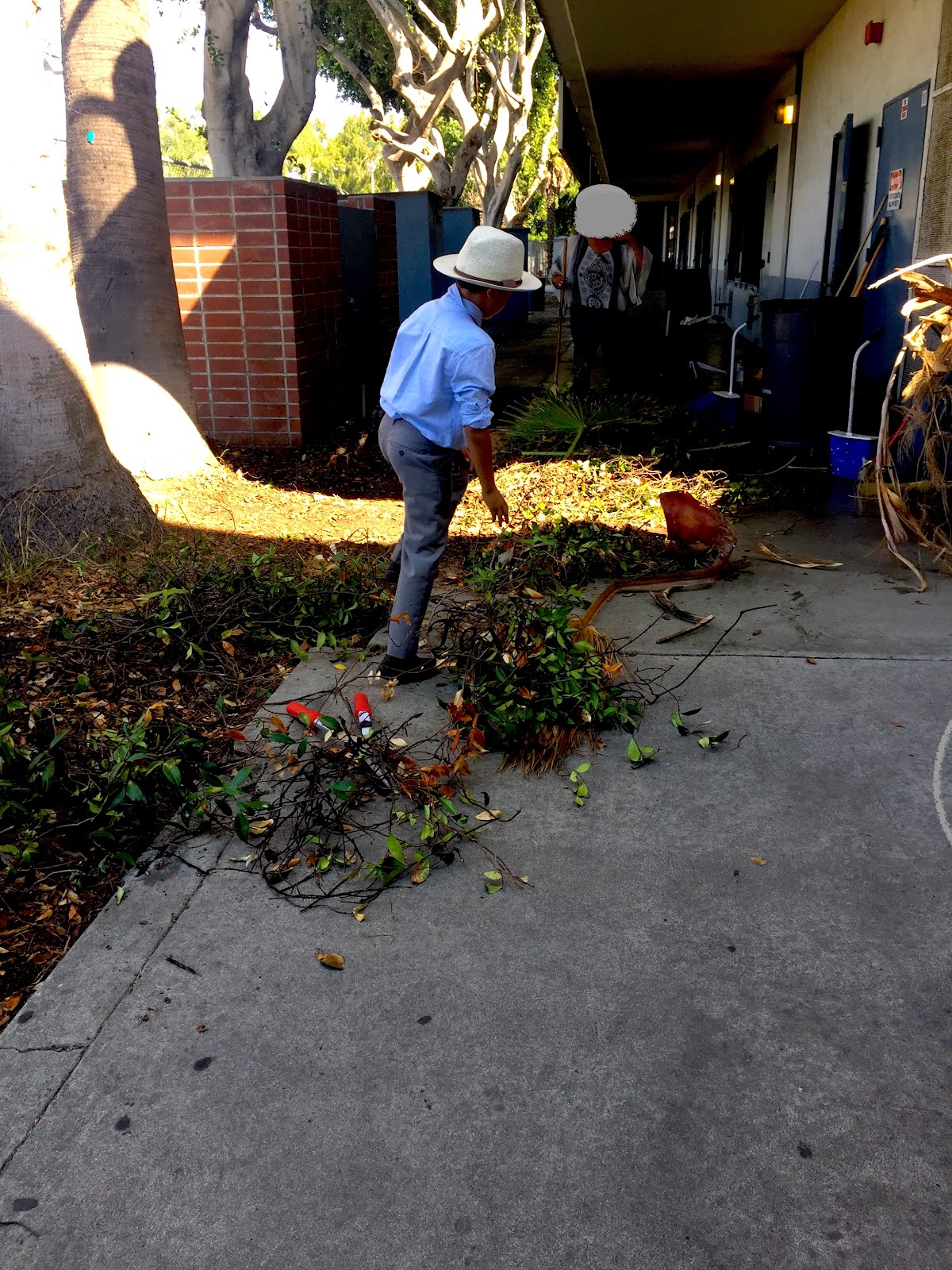
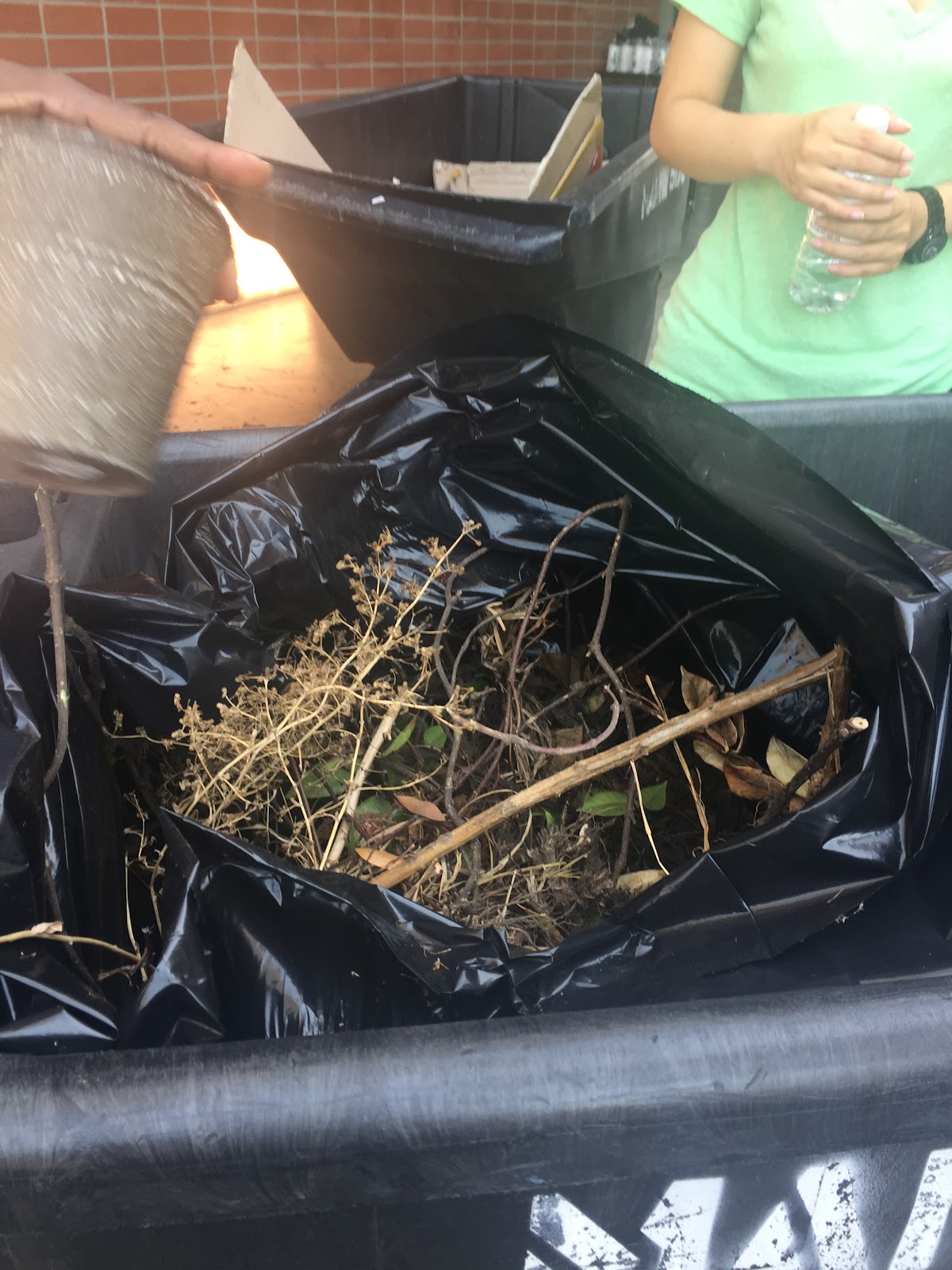
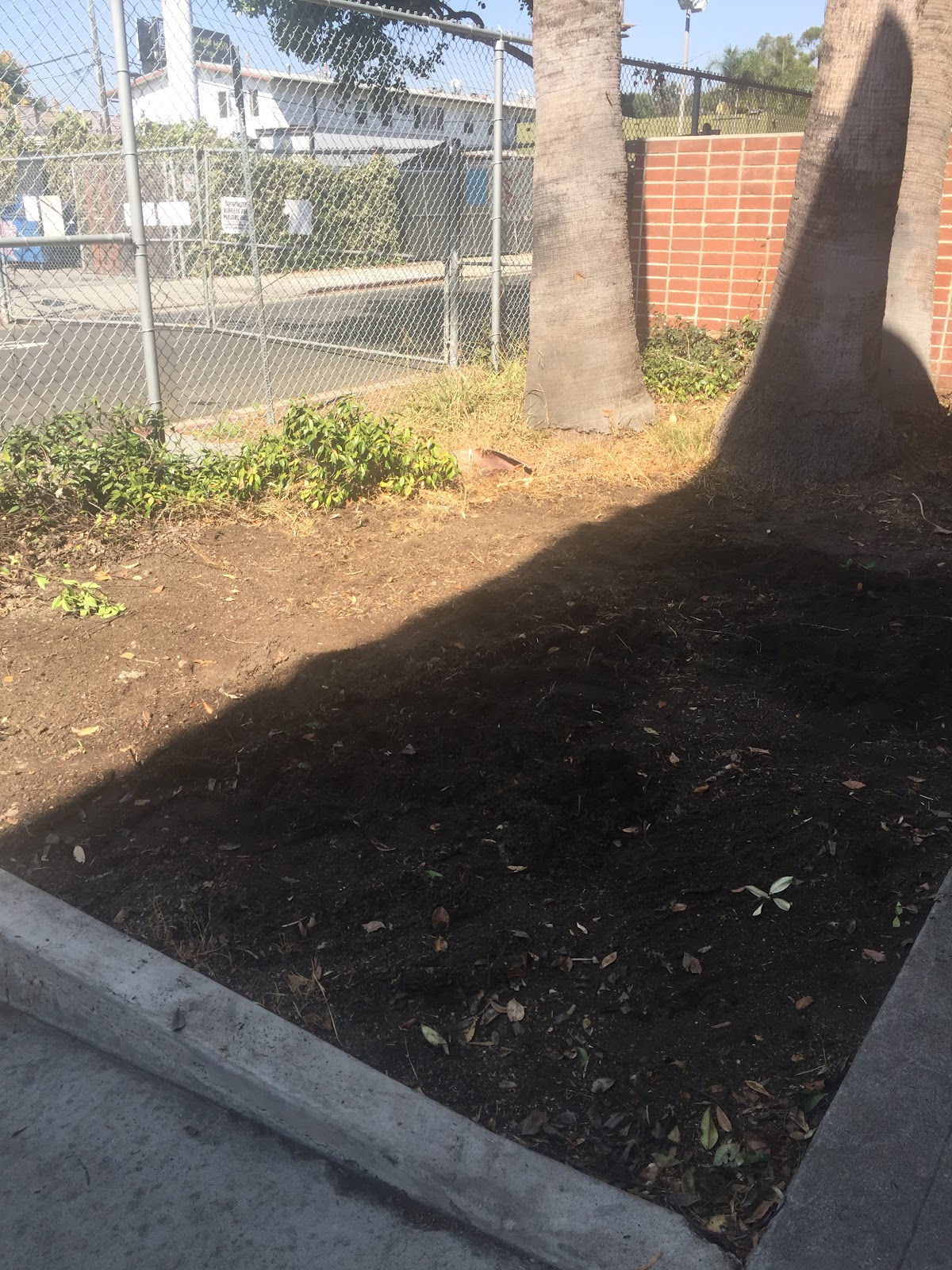
Today was Saturday and today I was going to do something at my school.   We said we were going to make a new garden so when I was done preaching, I was close to the school. I thought that I should walk in and I saw Ms. H and Ms. J and a friend, Ms. P.  They had already started so then I said, "Hello". They were surprised that I came. Ms. H said "Is that you Christopher" and I said, "Yes". So then I started to pull  my sleeves up so that I could start to work. Some teachers were there not to help but to clean in the kindergarten, garden area and to do something in their classrooms. So then Ms. B., our principal came to check, she said she will be helping us. When I came some crates were full so I went to go empty them with MS. P.  It was easy but when we came back there was heavy trash bags so then we went to throw them out, they were  heavy like 10 pounds. But atlas we were done so then we went back.

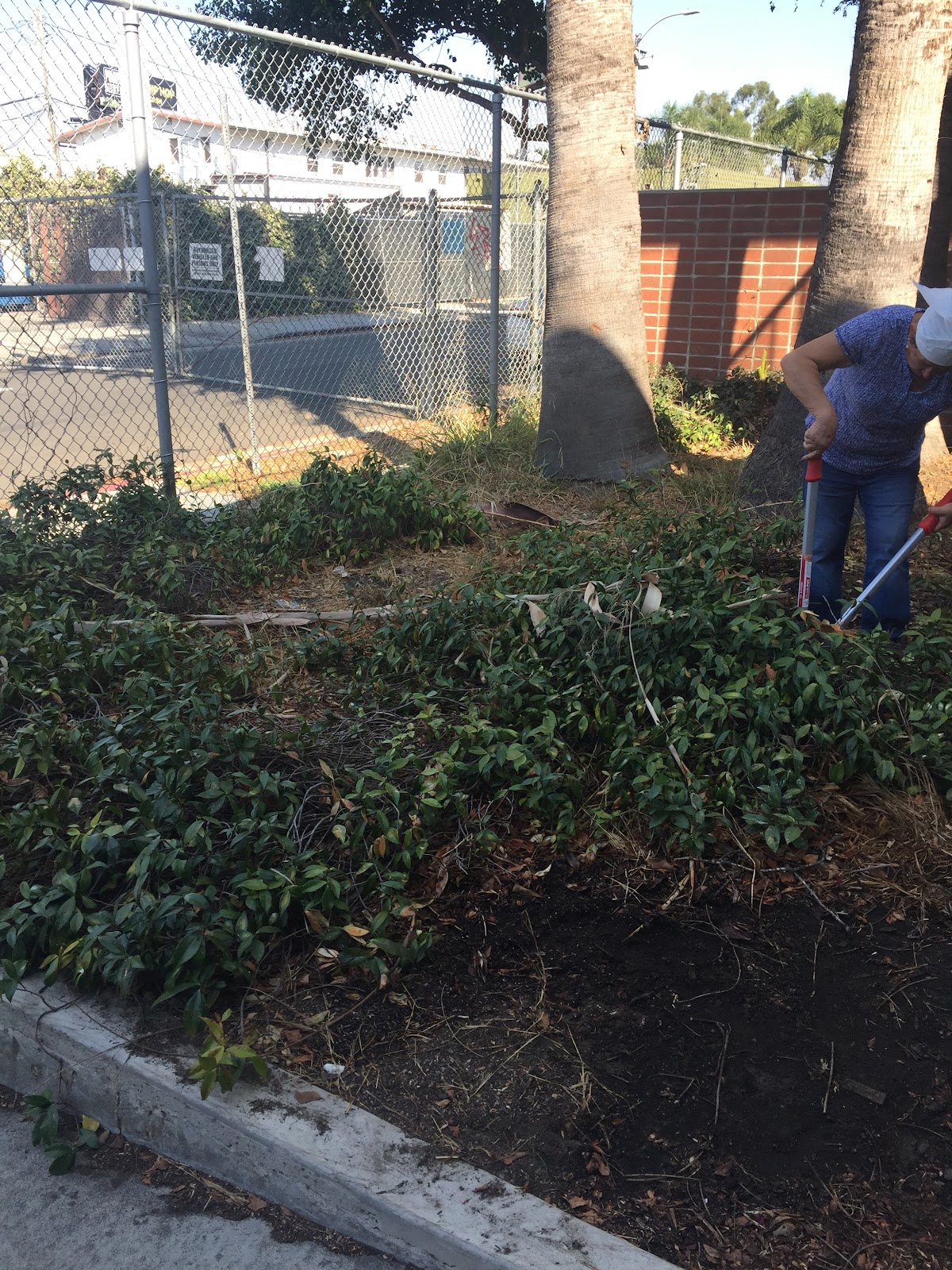
I pulled out the weeds while Ms. H cut them because they were hard to take out and the bad thing was it was 90 degrees hot. What a hot day!  When we were almost done we saw some roots so Ms. H came and got this tool that was metal and had four swirl sharp lines.  It took out the roots it was awesome. So then we took all the roots. Then my teacher finally came to help. Ms. B. was so funny she didn't want to talk to her  because the work was so hard and she was tired. We all laughed.

We continued on but the sun made it hard to work in one part. We thought if we watered it so that it wouldn't be so dry. Ms. H. watered so then we saw lots of insects  come out like Black Beatles, 2 roaches, and some spiders. Then my mom came so then I had to go. But this day was a sweaty, hard working, and hot.

IMG_0476.jpg
 Ahhh, what a mess!


IMG_0487.JPG
This is filling the trash bag.

IMG_0473.JPG
This is Ms. H. cutting the weeds.


IMG_0479.JPG
When we were almost done.

Wednesday, September 13, 2017

The Coins From Jeanne

This is a thank you to our new friend Jeanne. She has been a friend of our teacher for a very long time and she has decided to help us, The Garden Department, by giving us a beautiful metal jar with coins.  Our teacher said that jeanne is a collector of plants and has a beautiful succulent garden.  We have already inherited plants from Jeanne. She gave us a Epidendrum, some bromeliads, and some of the succulents that we have in our garden. It would be nice to have her come visit our garden.

Classtopians are thanking her for this donation because we can use it to buy some plants for the garden. The jar is full of coins! Quarters, dimes, nickels, and pennies are all inside of this little jar. In total, there is $33.13 inside of this jar! And, all of this money is for the garden department! This year we will buy plants, and this donation will surely help!

The pretty jar.

Inside the jar.

Thursday, August 24, 2017

Adventitious Growing

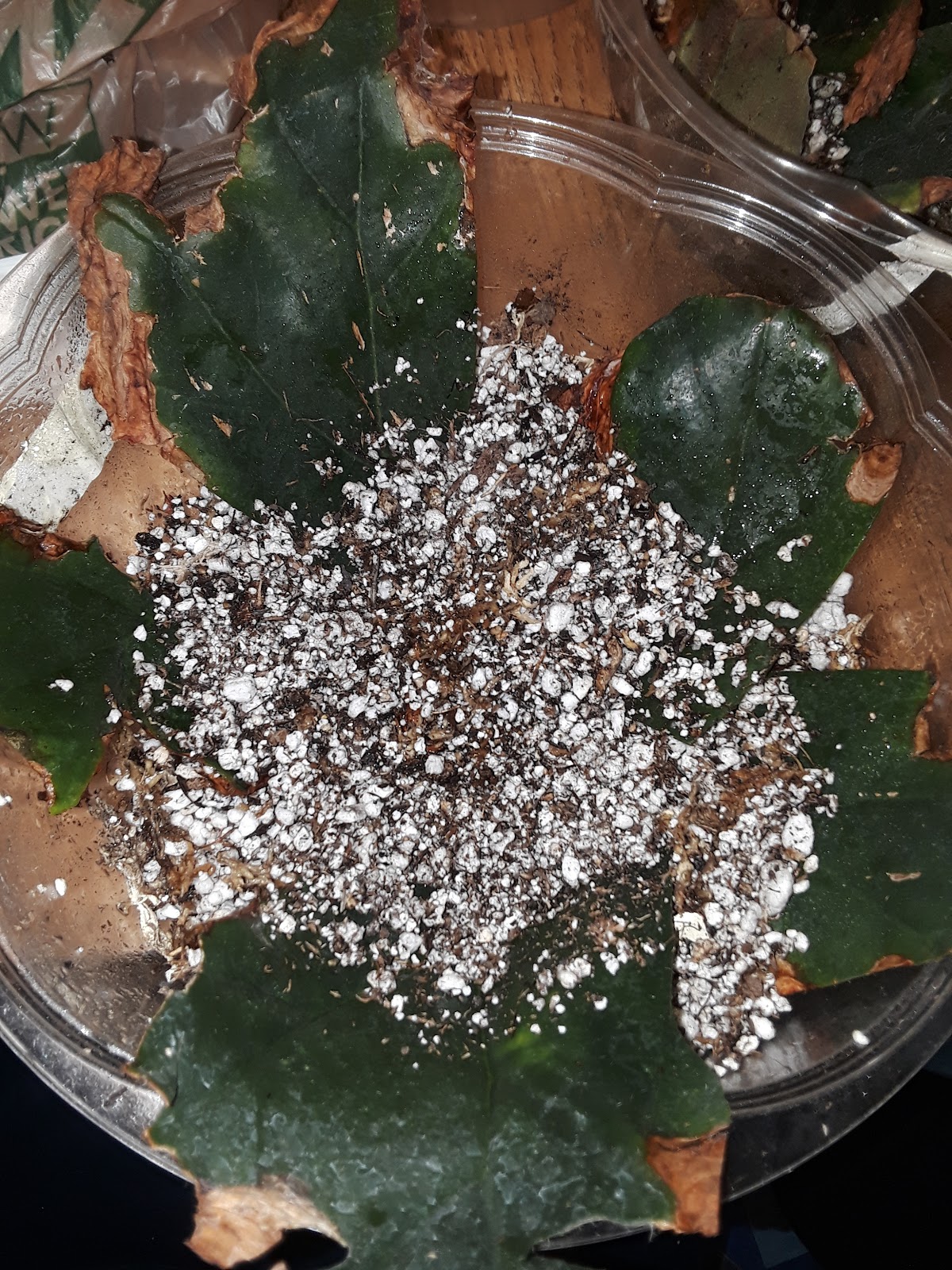
This morning our teacher brought in a big leaf. The class was curious to know what plant the leaf was from. She told us that it was a Begonia lotusland. She asked us if we were interested in starting new plants from pieces of the leaf. We all responded "yes". She helped Daniela and Leslie to cut the leaf in smaller pieces.

Daniela and Leslie combined sphagnum moss, perlite, potting mix. First, they got the begonia leaf  pieces and  planted the leaf pieces in plastic bowls.  Before they put the pieces in they sprayed the mix with water and made spaces in the medium to put the leaves in. Finally, they put the lid on the bowl. The leaves will be placed in a shady place in the garden and hopefully grow.

 Now we will wait to see how long it will take for the new plants to start growing.

We did a survey to see how long it will take and most people said it will take between 1 to 2 months.
When they start to grow the garden department will auction some off and keep some for the school garden.

Written by Natalia and Laila
Pictures by Natalia


The center piece of the leaf.


Begonia lotusland
   
This is Leslie making spaces and putting the pieces in the medium.


Monday, March 20, 2017

The Power of Friends


This Blog is dedicated to the Anonymous Donor who kindly funded our project, We Need To Breathe. All of us in Classtopia  thank you for your generosity. Without your support this project could not have happened so quickly. Special thanks to Kylie's mom who ran around the city looking for borders and stepping stones for the garden. To Ms J., one of the office staff, who kindly shared her funds with us, we love your support. Our friend The, who donated and continues to donate plants as well as other materials to the nation, thanks for adding another dimension to the Classtopia experience.

The Process
We are very happy to announce that on February 9, 2017, we created on DonorsChoose.org, a project for Classtopia. The name of the project "We Need to Breathe" was initially a small project to get some much needed tools for working in the garden. The purpose of the project was to get Classtopians more involved in civic duty and responsibility to the community. Creating new garden spaces on the campus was a way to help make the campus more beautiful. We wanted to revitalize some overlooked areas by creating small garden vignettes. This would change the space in very dramatic ways: students and staff would stop to look at the plants and flowers and connect with each other and the obvious increase in biodiversity on the campus would lend itself to more students having first hand experiences with plants and animal life cycles. The goal is to have outdoor learning spaces for people of all ages.

Since October, we have been working hard on campus beautification projects.  The first garden, now completed and thriving, has given us the confidence to want to do more to make the campus a more inviting place.

We noticed that the garden bed behind the school's auditorium was in dire need of care.  There is evidence that a long time ago there was intentional planting. Toady, what remains is a grouping of persistent Yucca plants that continue to grow despite neglect.
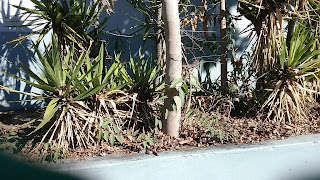
First view of the area.

After informing the principal of the plan to take over the new area, Classtopians went into full attack mode and decided to clear the area of weeds, pull dead Yucca leaves, and prune unsightly branches  After an hour of work and thirty pair of helping hands the space looked much better. We collaborated on the ideal plants for the new space and settled on a garden that would have to be a drought tolerant because of the amount of sun it received daily. Classtopians monitored the area for several days to make sure that the choices of plants would be the right. The space was sunny enough for succulents and to incorporate a butterfly garden.

Plants needed to be cleaned 
Students attacking the Yucca plants.

Team work.

Yucca plants and removed Eucalyptus tree stump.

Planter bed after initial clearing of weeds.

We needed help to get the project on the way. Kylie's uncle had some information about DonorsChoose and passed it on to one of our new Coordinators, Ms. C. She helped a lot with the process and before long our project was submitted and approved. We waited to see if our project would get the funding we needed. While waiting for the funds we continued to make plans for the new area.

On February 15, we reached out to a long time friend about our project and what we were doing in Classtopia. Within minutes of the e-mail our project was completely funded. The project list included; a shovel for digging holes, a greenhouse to begin germination of seeds from the garden and for the garden areas around the campus, a 175ft. hose to reach the planting beds far away from the spigots, four terrariums to raise delicate seedlings and cuttings, and a pruner to clip and maintain plants.

Materials for project began arriving on February 21, and were quickly put to the test. The shovel was the first item to be used. The new area needed to be aerated for the plant roots to expand and for the impending rain. Everyone took part in the activities.

We also received a small grant from Ms. J. to buy plants. She works at our school and believed in our project. With the money we were able to buy plants at mickeyhargitayplants. Mickey was generous enough to donate some additional plants to us and also challenge us to take care of some neglected nursery plants. We are happy to say that all the plants are doing well.
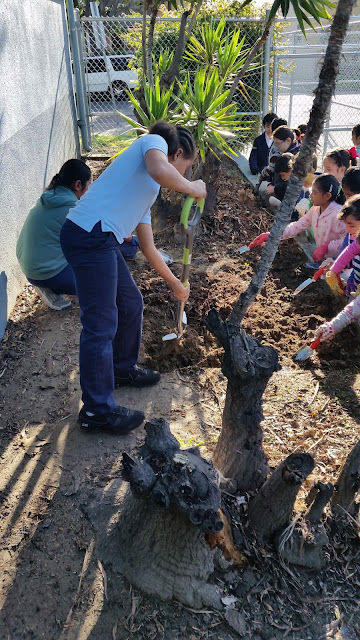
Classtopians at work.

"Many hands make light work."

.

First plants in the new bed. Plants stayed in pots a few days to acclimatize to the area. 


  •  Borders for the bed. Donated by Kylie's mom.
We continue to work hard in Classtopia to beautify every little bit on neglected space on our campus. We recognize that we need friends just as much as we need to breathe. It is through the generous contributions of our friends that we are making a difference to our school community.

Friday, March 10, 2017

Young Botanists At Work

Today in Classtopia, the big lesson, for those of us we completed our homework, was to continue working as future botanist. We used our pre prepared bottles to sow our fern spores. We got our spores from our friend, The. He got them from Barbara Joe Hoshizaki. The also gave us the book Fern Grower’s Manual. The book has all kinds of information about fern and how to grow them correctly.
We had so many to choose from. Each person decided which spores they wanted to grow. Some of them we all decided to sow, because we wanted to see whose plants would be the first to start growing.
The spores were in tiny little bags that we received. First thing we did was to label the bottles with the name of the spore. We used q-tips to put the spores in the bottles. After we were finished we put them in ziploc plastic bags. They are now ready to begin the process of growing. We need to be patient because it might take a while for them to grow.
After we finished with the fern spores, we worked together to build one of the four terrariums we got. We also started to build a Raised Garden Bed that we are going to put in the new garden area to grow some vegetables or just some plants. We were going to start the greenhouse but it turned out that the greenhouse was pretty big and it had too many parts for building in the back of the classroom, so we will do that one later, and outside.
Overall it was a fun day at school for those of us who participated. We learned a lot about a different kind of plant- ferns. We also learned that coming to school prepared means that we get to do more interesting activities.
Below you can see the different types of fern spores that we used and how they look when we are done.


These are the spores we used.


These are the bottles we put the fern spores in.
With the tweezers, we carefully take out the leaf trash.  
20170310_125510.jpg
These are the spores in their new temporary home.
This is the terrarium we were building
20170310_125309.jpg

This is the finished terrarium.

If you live in the area and would like to learn more about ferns then please consider attending a meeting of the The Los Angeles International Fern Society.

Wednesday, March 1, 2017

Plants For The Shady Areas


 All plants have their own needs. Just like people, they need different conditions to thrive. Some plants like it warm and hot, and some like it cool and cold. No matter what the conditions are, there is a place in the garden for all kinds of plants. If you have a shady garden and don’t know what plants are fine in shade here are some of the plants that are good for shady gardens...

Before I begin let me tell you what shady means shady just means that your plants need less than 3 hours of sun each day. And the best 3 hours are in the morning. In California this means  that it will be on the north side of your house.


Primula (Primrose):  Primrose are found in Britain, Ireland, and also most of Southern Europe. Primrose are easy to grow if you provide the two things which are shade and moist soil. Primrose come in different colors and they will make your garden beautiful.


Clivia: Clivia miniata come from South Africa. Two common names for a Clivia are Natal Lily or Bush Lily. These plants grow better in low light which is shade. Clivia come in many colors from orange to yellow. Most people have the orange ones.


Marantas: Marantas come from Brazil. The common name of this plant is prayer plant because at night they fold their leaves up and it looks like it is praying.

Hoya: Hoya flowers come from India, China, and Thailand. Some Hoya's are epiphytic which means they grow on trees. The flowers look like decorations for a cake.


Japanese Aucuba: This plant comes from China, Korea, and Japan. The Japanese Aucuba is a shrub. This means that it does not grow into a big tree. Two of it’s common names are spotted laurel and gold dust plant. The flowers from this plant are very small.


Begonia: Begonias come from tropical climates. They are found in cool climates. Begonia can come from South and central America, from Southeast Asia, and also in Africa. Some begonia are epiphytic, and grow on trees. They mostly have pink flowers. Some have white or red. A few from Africa have yellow flowers. Begonia have lots of different needs because of where they come from. Most of them are easy to grow from leaves.


Impatiens: Impatiens are the most common garden plant for the shade. They come from many different places around the world. They are fun to grow because they have seeds that pop and spread all over the garden. Impatiens flower from early summer until early winter.


Tradescantia: Tradescantia come from Southern Canada to Northern Argentina. This Tradescantia is called Zebrina. These plants are usually found in the woods because they need some shade. Even though they need shade when they get more light they get a prettier color. There are many different kinds of tradescantia, but they all have the same kind of flowers.


Ferns: The scientific name of this plant is Asplenium bulbiferum. This plant comes from Costa Rica and North America. Some ferns can be found in dry and cold places. Ferns make excellent shade plants and are beautiful in a tropical garden. This is a great fern because it makes little babies on the tips of the fronds.


Scadoxus:  Scadoxus are found in Central Africa in Uganda and in the Belgian Congo. They come mostly from Southern African and one special one comes from Ethiopia. And that one is an epiphyte. Scadoxus are best when you put them in moist soil so if you have a Scadoxus, water it a lot when it is growing.


Hippeastrum papilio: This plant is a plant from Brazil and it is epiphytic so it grows on trees. It is the most beautiful plant in a shade garden.


Philodendron: Philodendron comes from tropical places. They have beautiful leaves that are both large and small. One of them has edible fruits.


So now you know some plants that are good for a shady garden and I hope you can take care of your garden and put the right plants in it.

Monday, February 27, 2017

Plants and Pet Saftey


Cats and dogs are the most common pets that people have at home. Plants are also all around us. I would like to have a dog of my own. I have already asked my parents for a dog, but they said no, because our neighbors don’t approve of a dog barking constantly. But if I did have a pet, I know that I would always want it to be safe. So this is the reason I am writing about pet safety. Maybe my parents will see how responsible I am. 


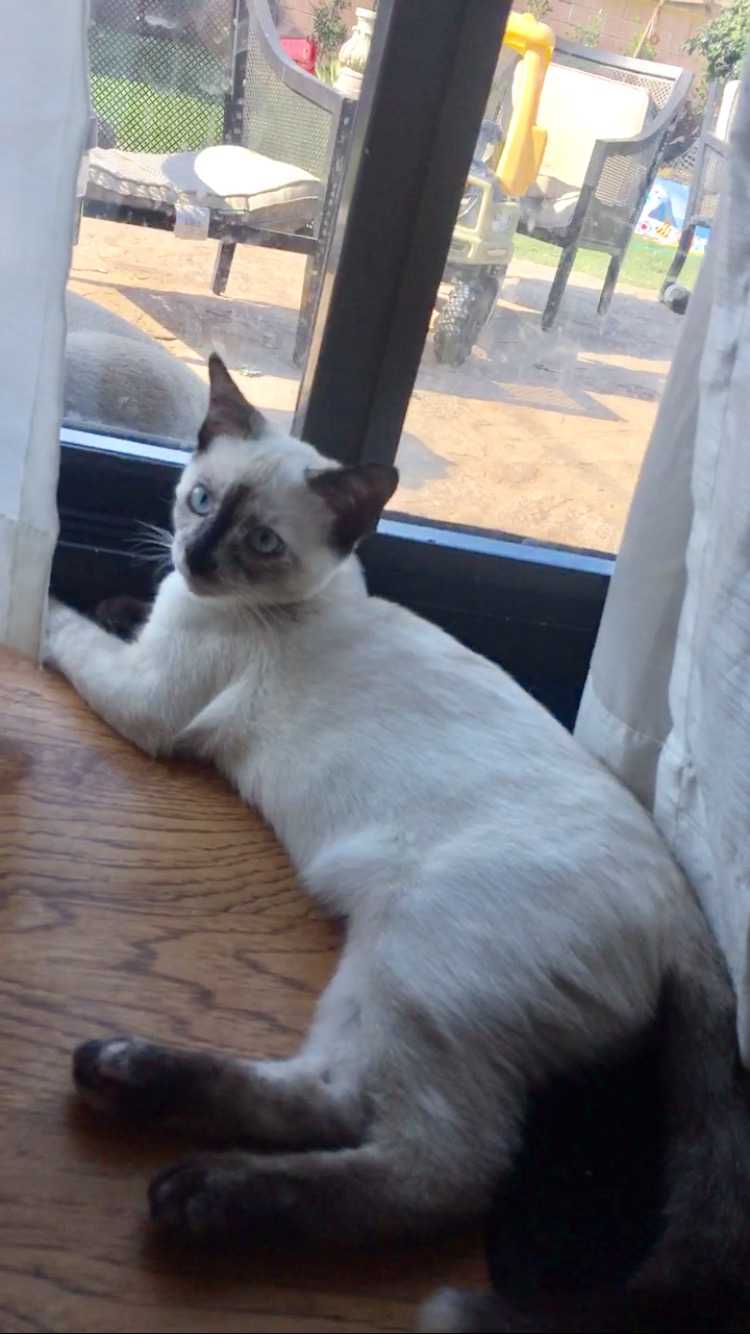
This is Adrian's cat, Luna. 

This is a picture of Isael's dog Bella.
So if you have a pet that you really love, and want to make sure that it doesn’t touch or eat a plant that is poisonous to it, well then you should read this small list of some toxic plants....


Dogs and Cats


Even though Aloe vera can help heal burns, it will cause your dog to vomit, to have diarrhea, and it’s urine will change color.


                                                                                                        This an Aloe vera plant in a pot at our school. It is about to flower, and it will attract humming birds.

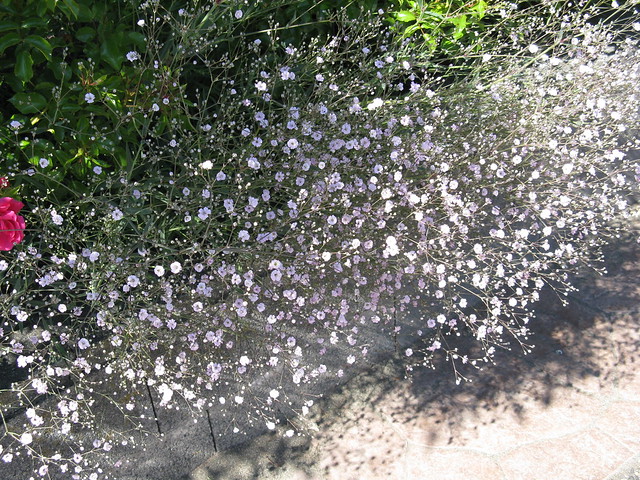
Baby’s Breath may seem cute, but if you don’t want your pet to have diarrhea and vomit, then it’s best to keep Baby’s Breath away from your pet.babys breath

Begonias are usually in gardens, and will cause harm to pets. It will cause oral irritation, intense burning and irritation of mouth, tongue and lips, a lot of drooling, vomiting, and difficulty in swallowing.


 This Begonia grows at our school in our garden.

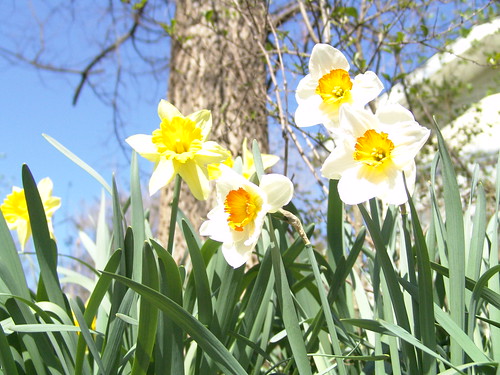
Daffodil plants have toxic bulbs that can cause vomiting, diarrhea, and low blood pressure.


Dafodils


Gladiolas cause vomiting, drooling, and diarrhea.
gladiola


Lilies are only toxic to cats, not dogs. It will cause kidney failure.
Lilies


Although Milkweed are good for monarch butterflies, it is not good for cats and dogs. It will cause them vomiting, weakness, diarrhea, difficulty in breathing, weak pulse, kidney and liver failure, coma, and DEATH. So make sure that your dog or cat does not go near it!!!


This Milkweed grows in the front of our school to attract Monarch Butterflies.

So now you know some plants that your cat or dog should not go near. Take care of your pet!